George Herbert Lauder
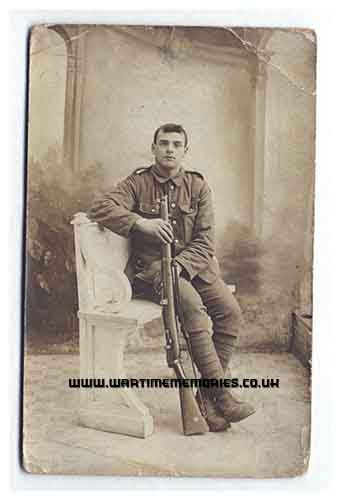
Army information
|
Country: England, United Kingdom |
|
Force: British Expeditionary Force |
|
Enlistment place: Kiveton Park, Yorkshire, England, United Kingdom |
|
Units: — King's Own Yorkshire Light Infantry, 2nd Bn. (Last known unit) |
Information about death
|
Date of death: 25/11/1917 |
|
Place of death: Goudberg, Passchendaele, Belgium |
|
Cause of death: Killed in action (K.I.A.) |
Memorial
|
Tyne Cot Memorial Panel: 108-111 |
Distinctions and medals 2
|
British War Medal Medal |
|
Victory Medal Medal |
Points of interest 2
| #1 | Enlistment place | ||
| #2 | Place of death (approximate) |
My story
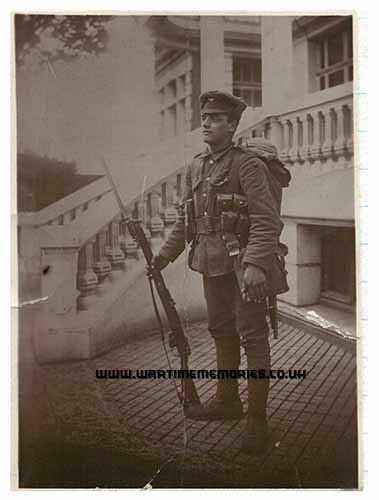
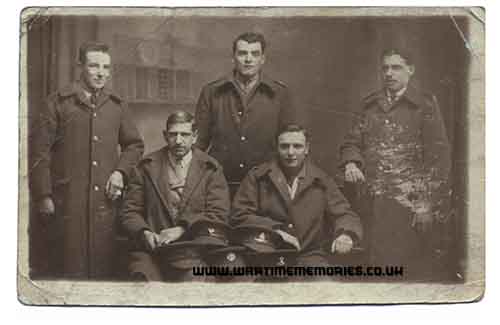
George Herbert Lauder was the son of John Lauder. During the First World War, he enlisted in the British Army. He served in the 2nd Battalion King’s Own Yorkshire Light Infantry (97th Brigade, 32nd Division).
George was killed in action on 25 November 1917. His unit was at that time in the vicinity of Goudberg, near Passendale. Throughout the morning, artillery bombardments on both sides of the front were intense. By midday, the battalion had already suffered 12 dead and 35 wounded. George’s unit was relieved during the night of 25 to 26 November by the 16th Battalion Highland Light Infantry, an undertaking that proved anything but easy. The activity on the Allied side caused confusion among the German troops, who feared that a new attack was imminent. In response, the German artillery opened a barrage on the Allied front and communication lines. The Allied artillery did not remain silent either. After the shelling subsided, the relief was completed around 1:40 a.m.
George’s body was not recovered or identified after the war. His name is commemorated on the Tyne Cot Memorial.
Sources 2
|
2 Battalion King's Own Yorkshire Light Infantry. (The National Archives, KEW (TNA), WO 95/2402/1). https://www.nationalarchives.gov.uk/ Sources used |
|
War Office and Air Ministry: Service Medal and Award Rolls, First World War (The National Archives, Kew (TNA), WO 329). https://www.nationalarchives.gov.uk/ Sources used |
More information 2
|
Namenlijst (In Flanders Fields Museum) https://namenlijst.org/publicsearch/#/person/_id=10fea7d4-b6e6-4824-a380-8d514909163c |
|
Commonwealth War Graves Commission Database https://www.cwgc.org/find-records/find-war-dead/casualty-details/835387 |