Spr
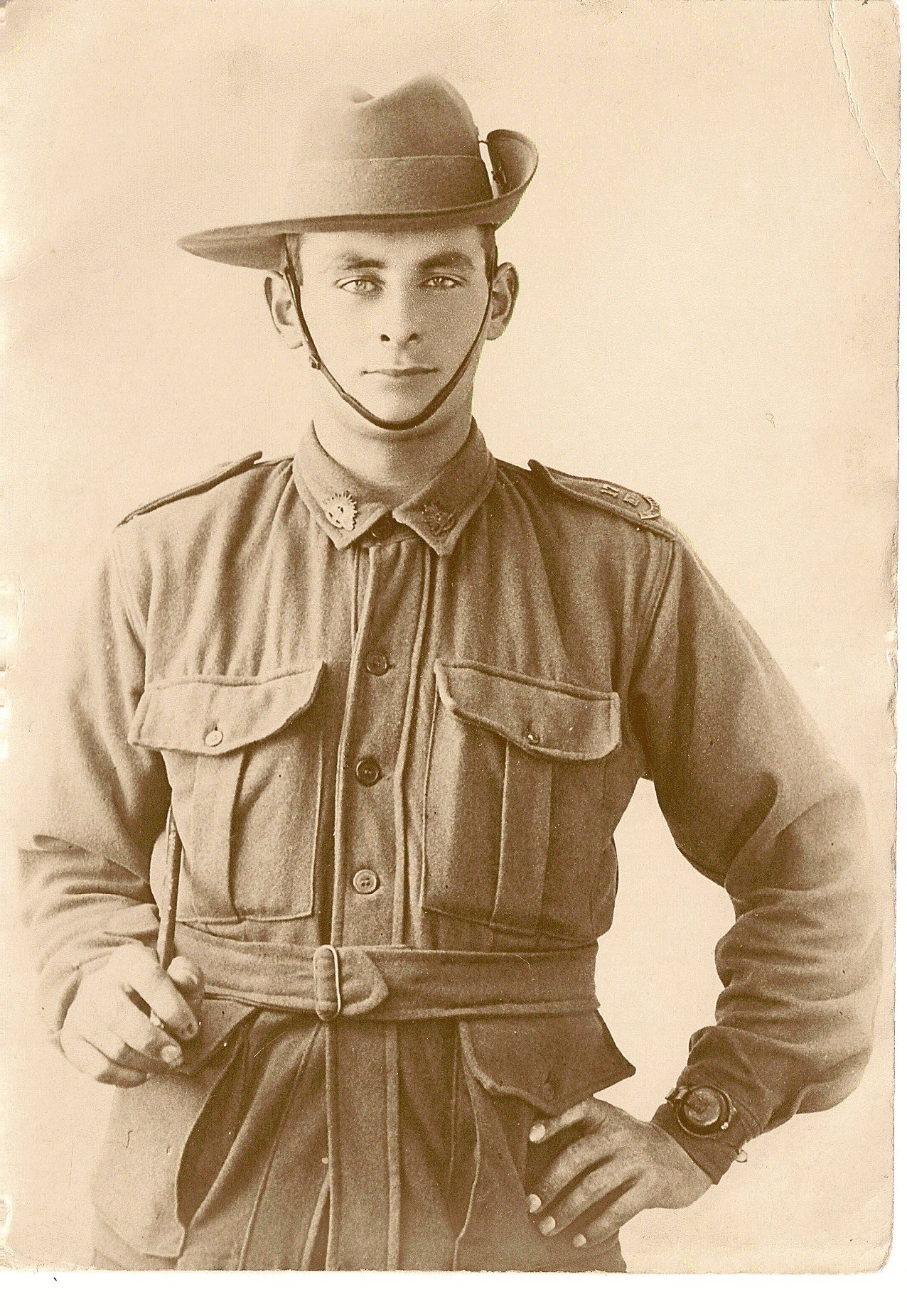
Walter Brookes
Informationen zu Geburt
|
Geburtsjahr: 1890 |
|
Geburtsort: Chinley, Derbyshire, England, Vereinigtes Königreich |
Allgemeine Informationen
|
Beruf: Eisenbahn-Lokreiniger |
Informationen zum Armeedienst
|
Land: Australia |
|
Truppe: Australian Imperial Force |
|
Rang: Sapper |
|
Dienstnummer: 395 |
|
Einberufung datum: 08/03/1915 |
|
Einberufung ort: Liverpool, New South Wales, Australia |
|
Einheiten: — Australian Divisional Signal Company, 2nd Coy. (Letzte bekannte Einheit) |
Informationen zu Tod
|
Sterbedatum: 08/10/1917 |
|
Sterbeort: Smyth Camp, Belgien |
|
Todesursache: Im Kampf gefallen |
|
Alter: 27 |
Begräbnisplatz
|
Poperinghe New Military Cemetery Grabstelle: II Reihe: J Grab: 18 |
Auszeichnungen und Orden 2
|
British War Medal Medaille |
|
Victory Medal Medaille |
Punkte von Interesse 2
| #1 | Geburtsort | ||
| #2 | Einberufung ort |
Meine Geschichte
Walter Brookes was born in 1890 in Chinley, Derbyshire. He was the first child of Betsy and George Brookes. In 1910 Walter emigrated to Australia, where he worked as a railway engine cleaner. In March 1915 he volunteered for the Australian Imperial Force. On 26 October 1916 while already in Europe he married Alice Louisa Slater in Stockport, Cheshire, near the town where he was born. Two days later Walter was transferred from the 17th Battalion Australian Infantry to the Australian Engineers, Signal Company of the 2nd Australian Division.
Mid-September 1917 the 2nd Australian Division moved to Flanders to join the allied offensive near Ypres. During what would later be known as the Battle of Passchendaele the 2nd Division Signal Company, mainly looked after the internal communication of the Division.
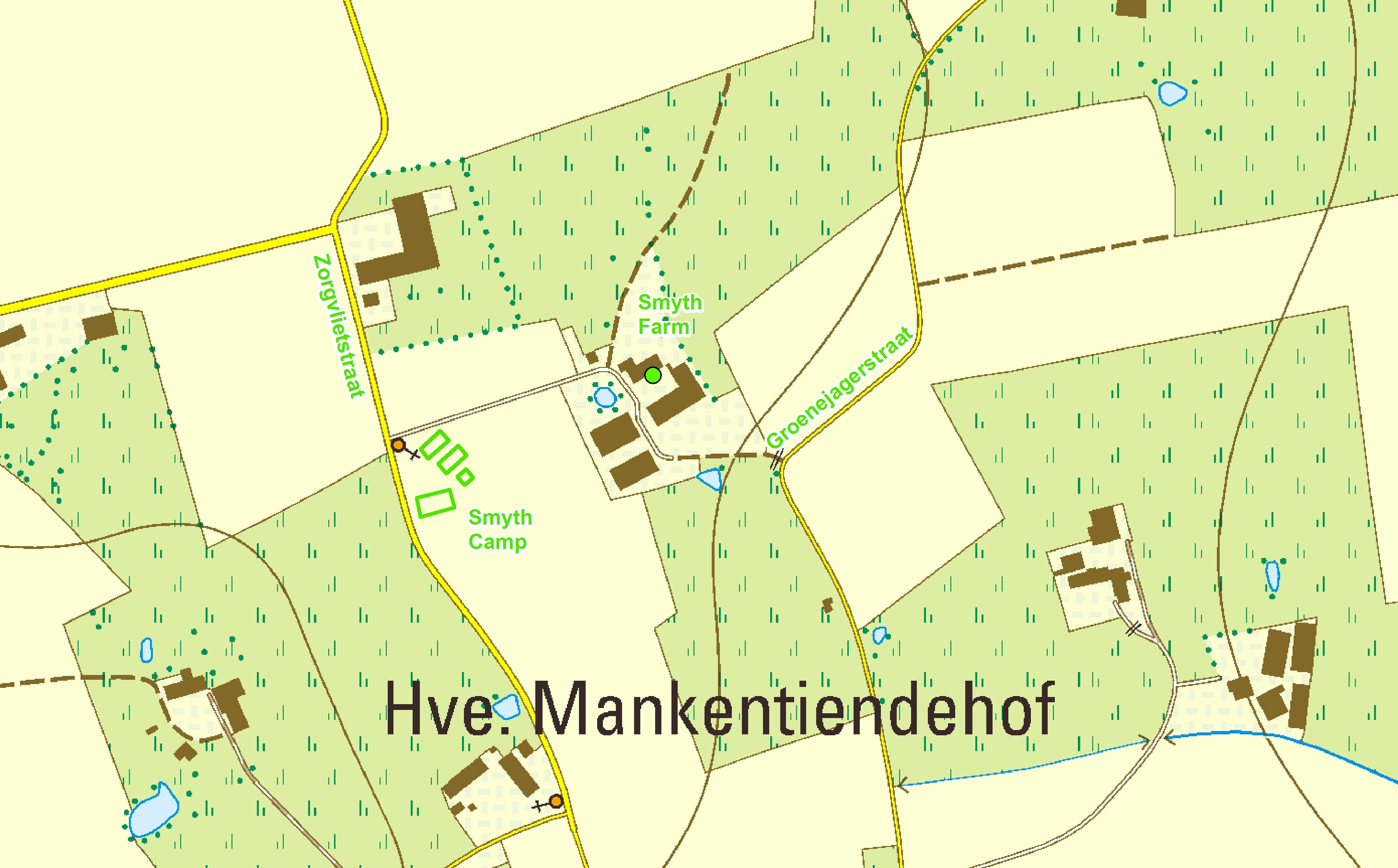
According to his Red Cross Wounded and Missing file, Walter was the batman of Lieutenant Fraser, who maintained communication with the 5th Australian Brigade Royal Field Artillery of the Division. On Monday 8 October 1917 they were possibly both near the Company’s billets at Smyth Camp, north of the village of Dikkebus, when a bomb of a German aeroplane or a shell exploded nearby. Walter, 27-years old, was killed outright, while Lieutenant Fraser was wounded. Walter was buried on the nearby Poperinghe New Military Cemetery.
Mid-September 1917 the 2nd Australian Division moved to Flanders to join the allied offensive near Ypres. During what would later be known as the Battle of Passchendaele the 2nd Division Signal Company, mainly looked after the internal communication of the Division.
According to his Red Cross Wounded and Missing file, Walter was the batman of Lieutenant Fraser, who maintained communication with the 5th Australian Brigade Royal Field Artillery of the Division. On Monday 8 October 1917 they were possibly both near the Company’s billets at Smyth Camp, north of the village of Dikkebus, when a bomb of a German aeroplane or a shell exploded nearby. Walter, 27-years old, was killed outright, while Lieutenant Fraser was wounded. Walter was buried on the nearby Poperinghe New Military Cemetery.
Quellen 6
|
AIF-project https://www.aif.adfa.edu.au/search Verwendete Quellen |
|
Ancestry https://www.ancestry.com/ Weitere Quellen |
|
CWGC https://www.cwgc.org/find-war-dead/casualty/139083/brookes,-walter/ Verwendete Quellen |
|
Service Record http://recordsearch.naa.gov.au/SearchNRetrieve/Interface/SearchScreens/BasicSearch.aspx Verwendete Quellen |
|
The Long, Long Trail http://www.longlongtrail.co.uk/army/ Verwendete Quellen |
|
War Diary Australian Divisional Signal Company, 2nd Coy. https://www.awm.gov.au/collection/C1338583 Verwendete Quellen |